
Malaysia is edging closer to becoming a high-income nation, according to World Bank classification standards. A range of economic indicators show the country next door has kept up solid growth over the past several years.
The Malaysian government says its Gross National Income (GNI) per capita is now just 7.1% below the threshold set by the World Bank for high-income status.
The Numbers Behind the Progress
That narrowing gap is being driven by Malaysia’s economy, which grew 5.8% in the second quarter of 2026 , its strongest quarterly growth so far this year. At the same time, inflation has stayed in check at 1.9%, while the unemployment rate has held steady at around 3%.
According to Malaysia’s Economy Minister, Akmal Nasrullah Mohd Nasir, the country’s GNI per capita reached RM57,200 (roughly US$13,351) in 2025 under the World Bank’s Atlas method, against a high-income threshold of US$14,375.
“These are encouraging numbers, but crossing that threshold is not an end in itself. What matters is whether growth delivers better wages, more quality jobs and stronger purchasing power for Malaysians,” Akmal said.
It’s worth noting the exact gap has been reported slightly differently across official statements , a separate figure from Malaysia’s Human Resources Minister days earlier put GNI per capita at US$12,380, describing the country as “one step away” from the threshold. The discrepancy appears to stem from whether the latest quarter’s growth was factored into the calculation, though both figures point to the same underlying trend: Malaysia is closer to high-income status than it’s ever been, even if crossing the actual line may still take several more years.
A Skyline That Reflects the Progress
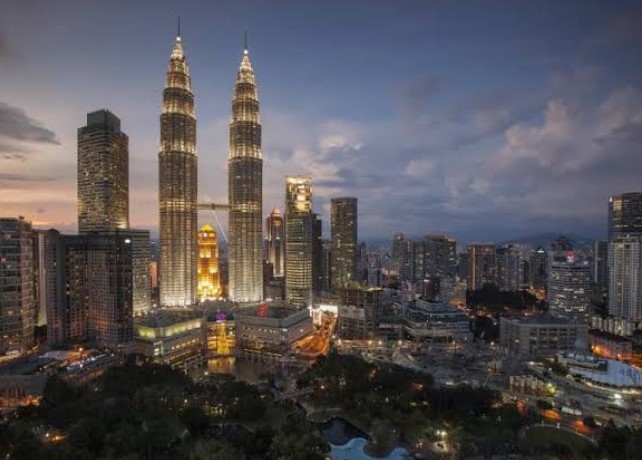
Malaysia’s economic momentum shows up clearly in its major cities, especially Kuala Lumpur. The capital is filled with modern skyscrapers, an expanding public transportation network, and business districts that serve as hubs for both economic activity and tourism.
Behind the rows of modern buildings, Kuala Lumpur has also held onto its historic architecture, which remains central to the city’s identity. That blend of heritage neighborhoods and modern infrastructure has helped make Malaysia’s capital one of Southeast Asia’s most popular travel destinations.
Growth With a Bigger Goal
Despite its optimism about reaching high-income status soon, the Malaysian government has been clear that the milestone isn’t the finish line. Officials want to ensure economic growth genuinely translates into better-quality jobs, higher wages, and stronger purchasing power for ordinary Malaysians.
What It Means for Travelers
For travelers, this progress translates into an increasingly comfortable holiday experience. Strong infrastructure, easily accessible transportation, and well-organized tourist areas remain a major draw for visitors, including those from Indonesia.
It’s no surprise, then, that Malaysia continues to rank among the top overseas destinations for Indonesian travelers , whether for a short getaway, a food-focused trip, or exploring modern cities on a relatively affordable budget.