
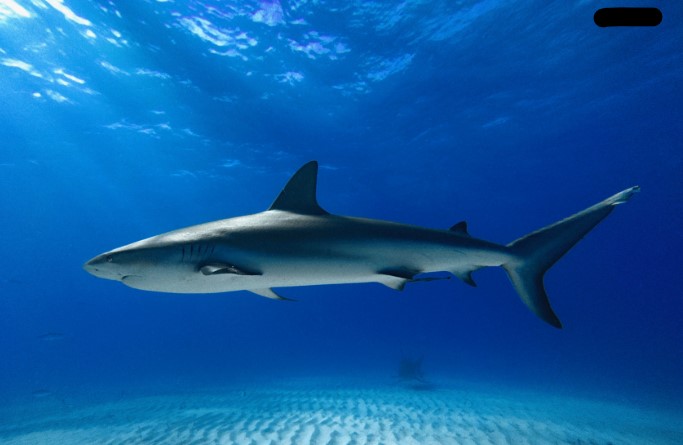
A Spanish tourist has suffered a serious injury while on holiday in the Maldives, losing a leg after being attacked by a shark during a diving excursion in open water.
The victim, a 31-year-old man from Alicante, was taking part in the water activity as part of a group tour when the attack occurred. He sustained severe injuries to both legs and received emergency assistance before being transferred for medical treatment.
Given the severity of the injuries, doctors were forced to amputate one of his legs. He remains under medical supervision, and no further complications have been publicly reported at this stage.
What Happened
According to Euro Weekly News, the incident took place during a marine tourism activity that’s popular in the Maldives , a destination widely known as one of the world’s premier diving spots, home to a wide variety of shark species in its surrounding waters.
The specific species of shark involved has not yet been confirmed, though some reports have pointed to the possibility of a bull shark, based on the severity of the injuries. Local authorities have opened an investigation into the circumstances of the incident, including the safety procedures followed during the tour. The victim’s family is reportedly seeking further explanation regarding how the excursion was conducted.
Despite sharks being a common sight in Maldivian waters, attacks on humans remain rare.
Why Shark Attacks Happen, An Expert’s Perspective
Marine biologist Claire Marshall, based in the region, noted that human interaction can influence marine wildlife behavior. “Unfortunately, even with regulations in place, we still see a lot of disturbance to wildlife and a lack of adherence to guidelines,” she said.
She explained that sharks generally don’t attack without warning signs. “A lack of understanding of animal behavior, combined with diving in areas that may serve as their hunting grounds, can trigger a defensive response , and if ignored, that can escalate into an attack,” Claire added.
She also emphasized that shark behavior remains difficult to predict, which is why swimmers and divers need to stay cautious and maintain a safe distance in areas known to have shark activity. “I’m not saying this was definitely the cause of the attack, but it’s a factor that could have played a role,” Claire concluded.